How Seasonal Events Impact Local Economies
Seasonal events play a significant role in shaping local economies across the United States. From festivals to holiday celebrations, these events not only attract visitors but also stimulate various sectors, including hospitality, retail, and entertainment. This article explores how seasonal events influence local economies, backed by research and expert insights.
Understanding the Economic Impact of Seasonal Events
According to studies by the National Endowment for the Arts, events that emphasize local culture and community engagement can significantly enhance economic activity. For instance, festivals often lead to increased spending in local businesses, particularly in the hospitality and retail sectors. This impact typically arises because local residents and tourists alike participate in these events, creating a robust demand for goods and services.

"Seasonal events can generate a ripple effect throughout the local economy, benefiting businesses and creating jobs." – Economic Research Institute
Key Areas Affected by Seasonal Events
Seasonal events can influence several aspects of local economies:
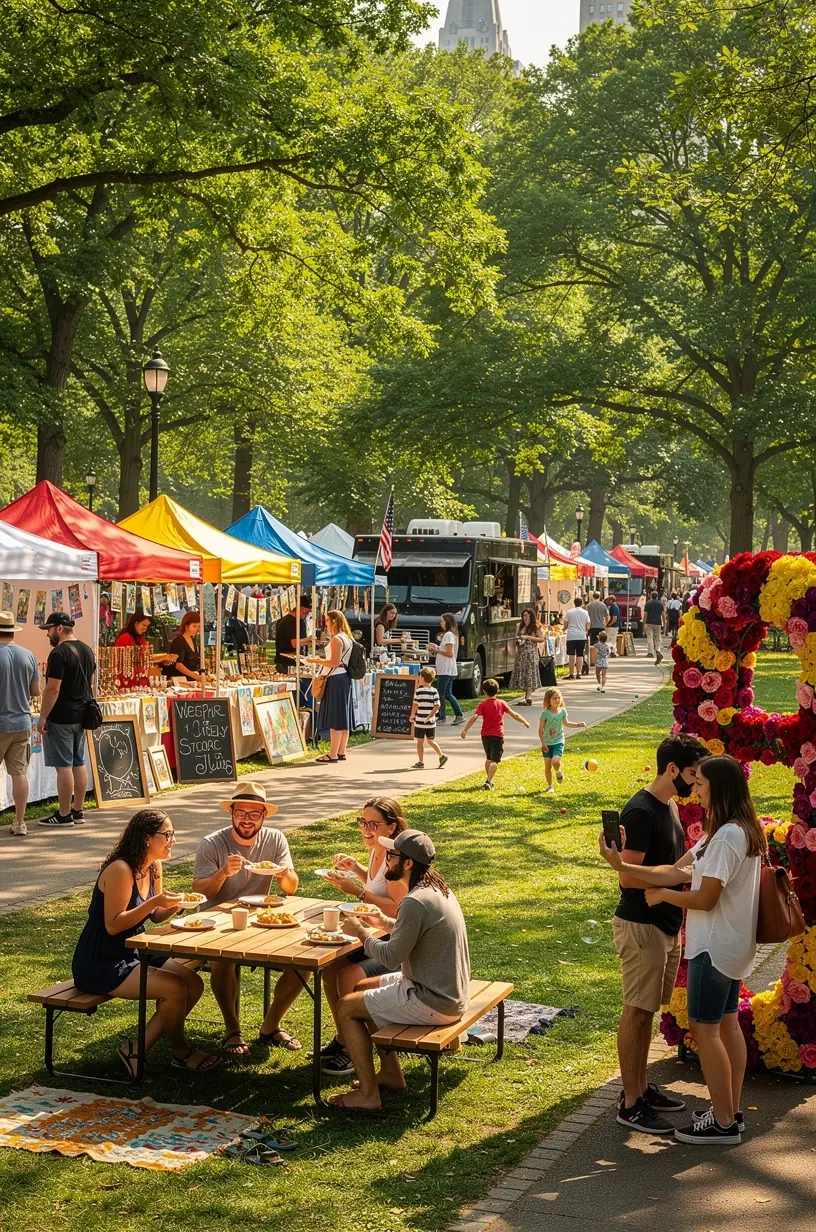
- Tourism Growth: Events like county fairs and holiday markets draw visitors, which can boost hotel occupancy rates and dining activity.
- Job Creation: Many seasonal events require temporary staff, providing employment opportunities for locals during peak times.
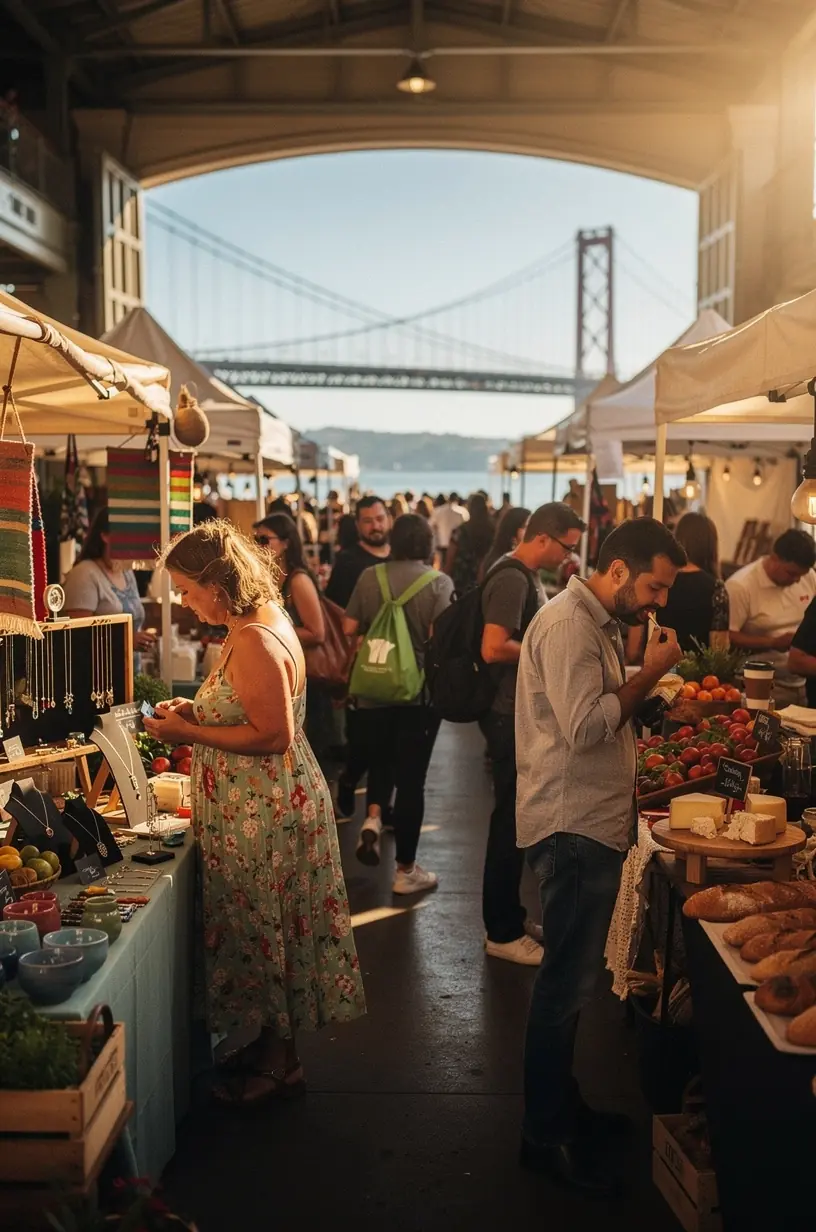
- Local Business Support: Many vendors at events are local businesses, ensuring that revenue stays within the community.
Case Studies and Examples
Many cities have successfully leveraged seasonal events to enhance their economic profile. For example, the New Orleans Mardi Gras is estimated to contribute over $1 billion to the local economy yearly. According to research conducted by the University of New Orleans, this influx of revenue primarily benefits the hospitality and retail sectors, with hotels often reaching full capacity during the celebrations.
Similarly, the Chicago Christmas Market attracts thousands of visitors each year, leading to increased sales for local shops and restaurants. Industry experts suggest that such events often result in a 20-30% sales increase for participating businesses during the season.
Challenges and Limitations
While seasonal events can provide economic benefits, they are not without challenges. Organizing such events often requires substantial time and financial commitments. Typically, event planning can take anywhere from a few months to over a year, depending on the scale and complexity of the event.
Moreover, not all events result in positive outcomes for local economies. Factors such as poor weather conditions, lack of marketing, or insufficient community engagement can diminish potential benefits. In many cases, events that fail to attract a sufficient audience may lead to financial losses for organizers and local businesses alike.
Strategies for Maximizing Economic Benefits
To ensure that seasonal events positively impact local economies, organizers can take several strategic steps:
- Effective Marketing: Promoting events through various channels, including social media, local newspapers, and community boards, can help attract a larger audience.
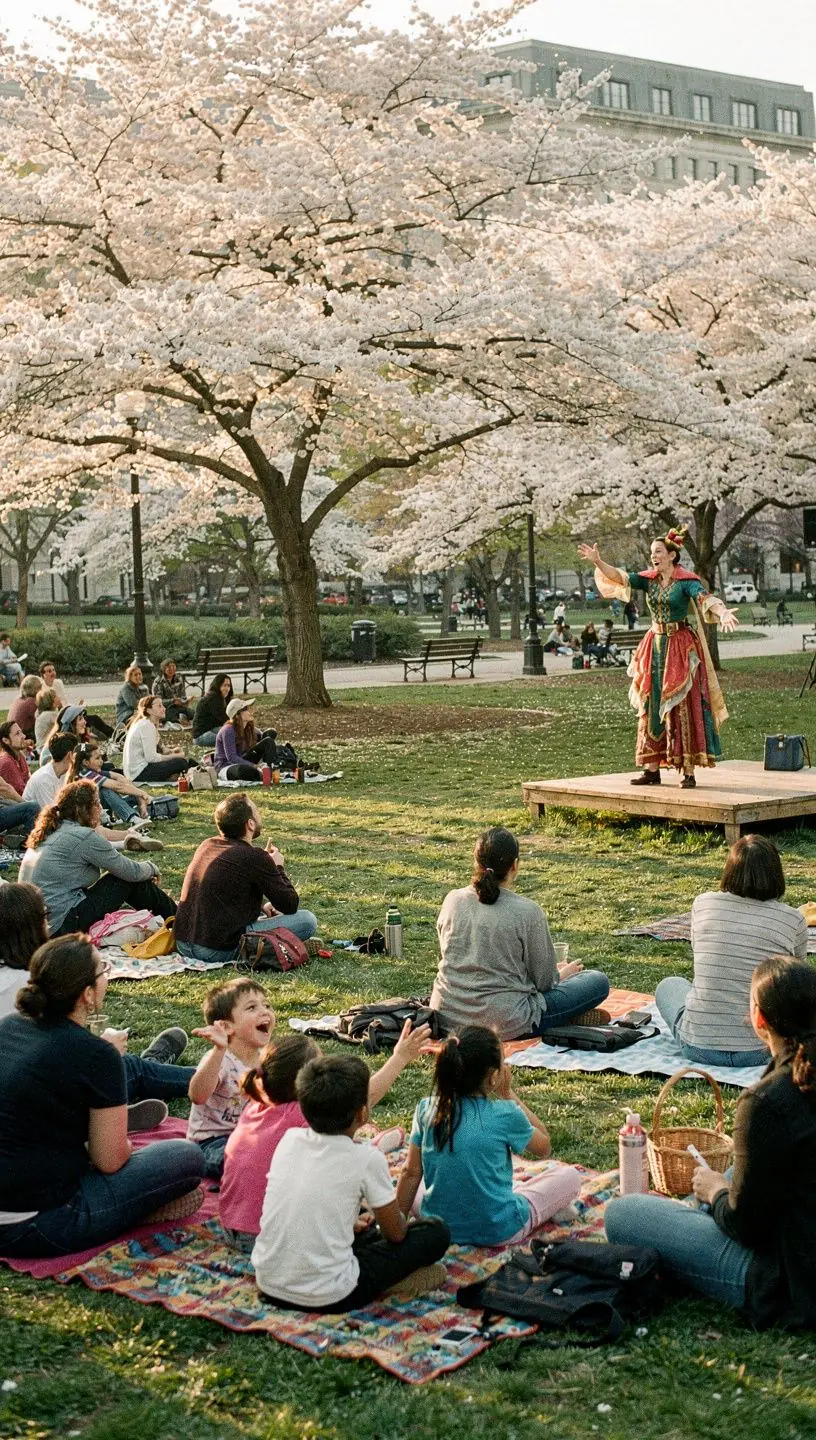
- Community Engagement: Involving local residents in the planning process can create a sense of ownership and lead to higher attendance rates.
- Partnership Development: Collaborating with local businesses and organizations can enhance resources and support, ensuring a more successful event.
Conclusion
Seasonal events have the potential to significantly impact local economies, fostering growth and community engagement. While challenges exist, strategic planning and execution can lead to rewarding outcomes for communities. By understanding the dynamics of these events, local organizers and businesses can work together to create experiences that benefit all stakeholders involved. As many experts agree, the key to success lies in preparation and collaboration.
Learn More