Understanding Permissions and Regulations for Events
When planning an event, understanding the necessary permissions and regulations is crucial. This guide will provide insights into the typical requirements that event organizers in the US should consider to ensure a smooth and compliant experience.
Understanding the Basics
In the United States, hosting an event often requires navigating a complex landscape of local, state, and federal regulations. According to industry experts, there are several key factors that event organizers must explore:
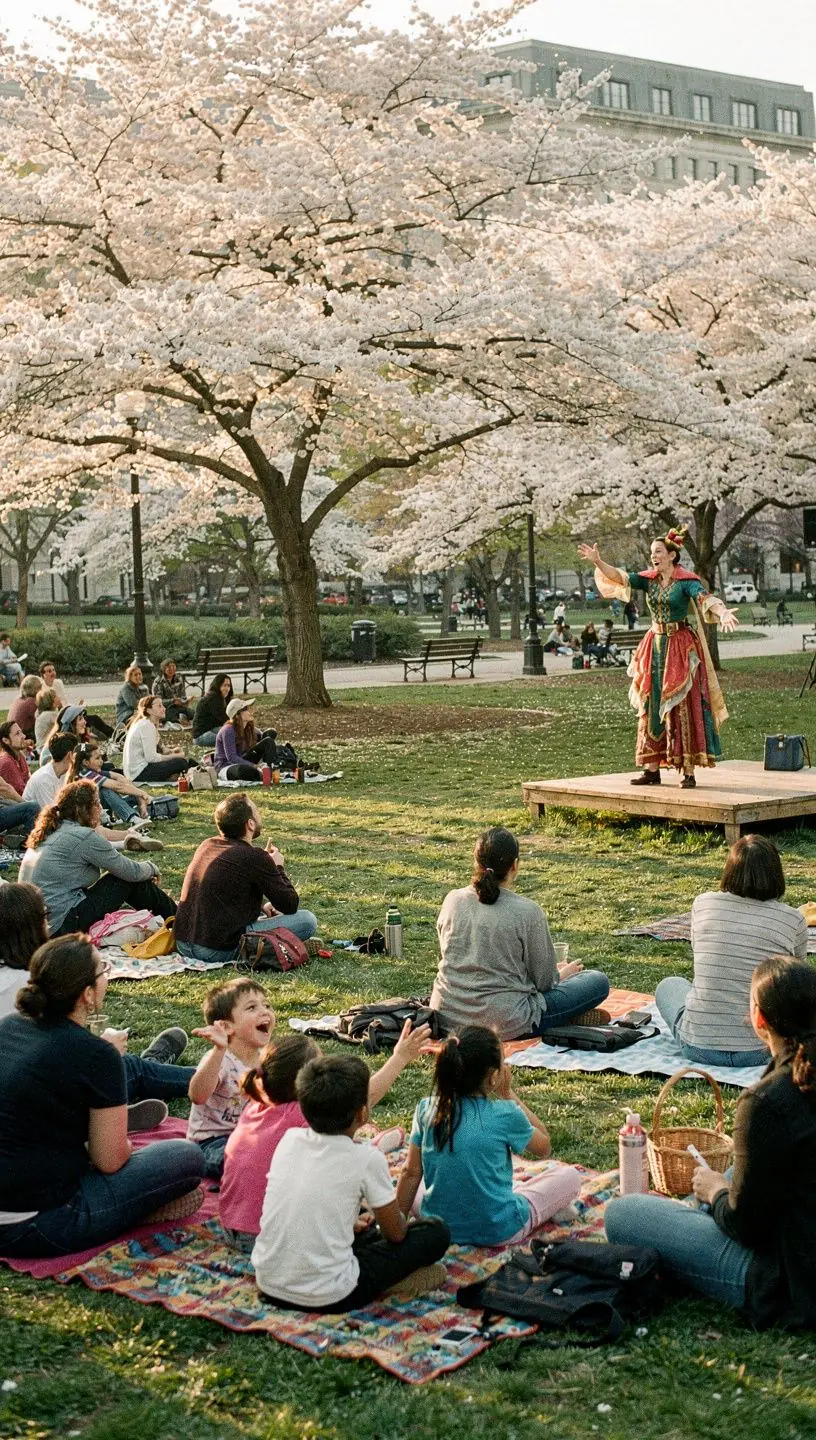
- Permits: Many locations require specific permits based on the type of event, such as street closures, noise ordinances, and gatherings in public spaces. It’s advisable to check with your local municipality to determine what is needed.
- Insurance: Event insurance is often recommended to protect organizers from potential liabilities. According to a survey conducted by the Event Safety Alliance, many professionals suggest that obtaining event insurance can be a reliable way to mitigate risk.
- Health and Safety Regulations: Compliance with health regulations, especially in the wake of the COVID-19 pandemic, is crucial. This may include social distancing protocols, sanitization measures, and capacity limits.
"Understanding and adhering to local regulations not only ensures compliance but also enhances the overall experience for attendees." - Event Industry Expert
Practical Steps to Ensure Compliance
To navigate the permissions and regulations effectively, consider the following actionable steps:
- Research Local Requirements: Start by visiting your city or county website to learn about specific permits required for your event type. This process typically takes a few hours but is essential to avoid fines or cancellations.
- Engage Local Authorities: Contact local authorities or a city planner to clarify any doubts regarding regulations. Many users report that direct communication can often clarify processes and expedite approvals.
- Plan Ahead: Applying for permits can take anywhere from a few days to several weeks. It’s crucial to submit applications well in advance to account for any potential delays.
- Consult with Experts: Hiring an event planner or consultant who specializes in local regulations can save time and ensure all bases are covered. While this may involve additional costs, it can be an effective approach for larger or more complex events.
Common Challenges and Limitations
While understanding permissions and regulations is essential, it’s also important to acknowledge some common challenges:
- Many organizers find that the documentation process involves a steep learning curve, especially if they are new to event planning.
- Compliance may require ongoing effort, especially with changing regulations and guidelines. Staying informed about updates is crucial.
- Not all events will require the same level of permits or insurance, and what works best often depends on the nature of the gathering.
Conclusion
Understanding permissions and regulations for events can seem daunting, but with the right approach, it becomes manageable. Familiarizing yourself with local laws, engaging authorities, and planning ahead are effective strategies that can greatly reduce complications. By prioritizing compliance, you not only protect your event but also foster a positive experience for all involved.
Learn More