Exploring Different Types of Community Gatherings
Community gatherings play a vital role in fostering social connections and enhancing the quality of life in neighborhoods across the United States. In this article, we will explore various types of community gatherings, their benefits, and how they can be organized effectively.
Understanding Community Gatherings
Community gatherings typically refer to organized events where individuals come together to share experiences, interests, and cultures. According to research from the National Recreation and Park Association, such gatherings can improve community cohesion and contribute to a sense of belonging among participants.

"Community engagement is essential for building a resilient society. Events that foster interaction can lead to stronger relationships and a more supportive environment." - Community Development Expert
Types of Community Gatherings
There are several types of community gatherings, each catering to different interests and demographics. The following categories are commonly observed:
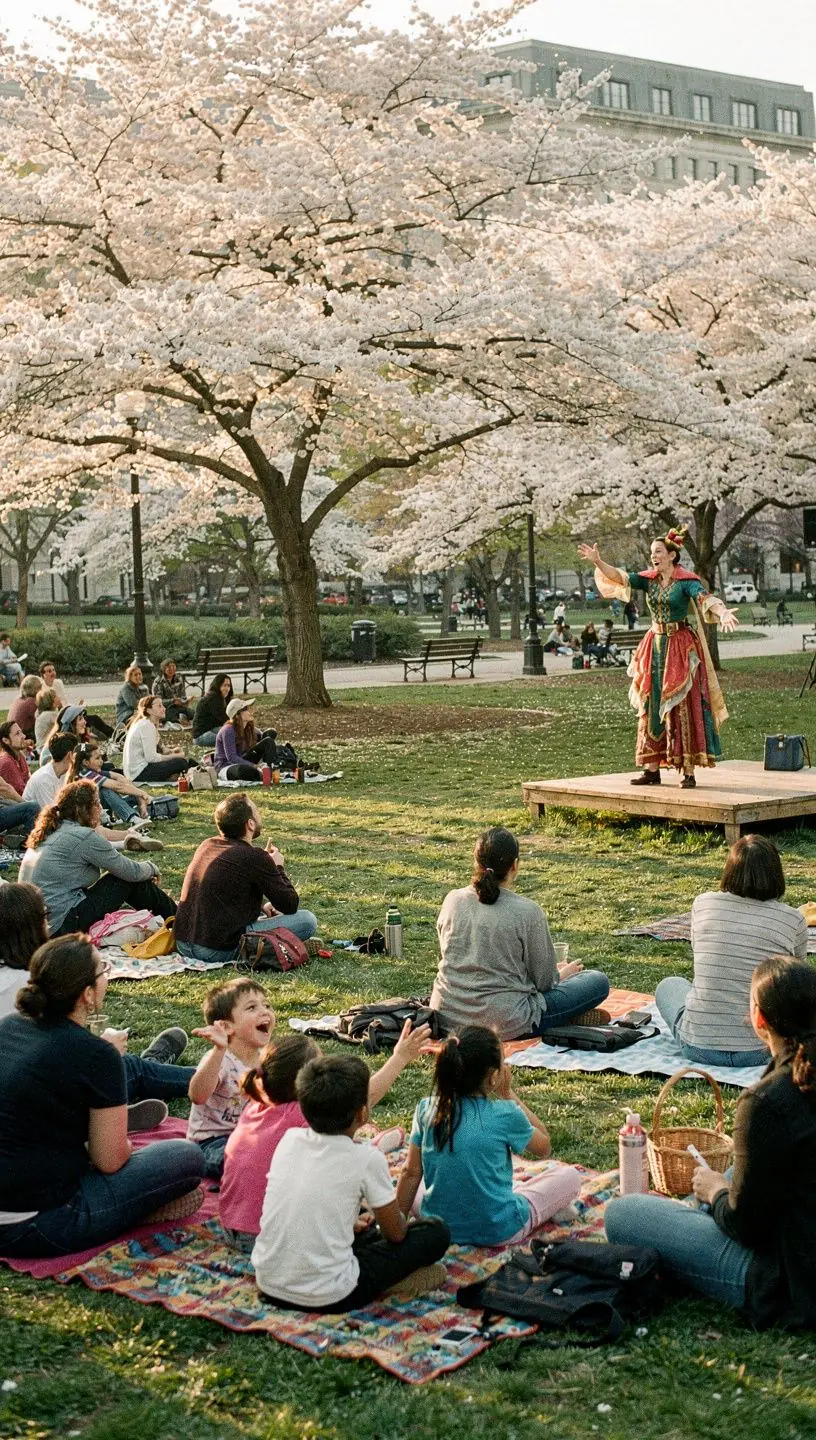
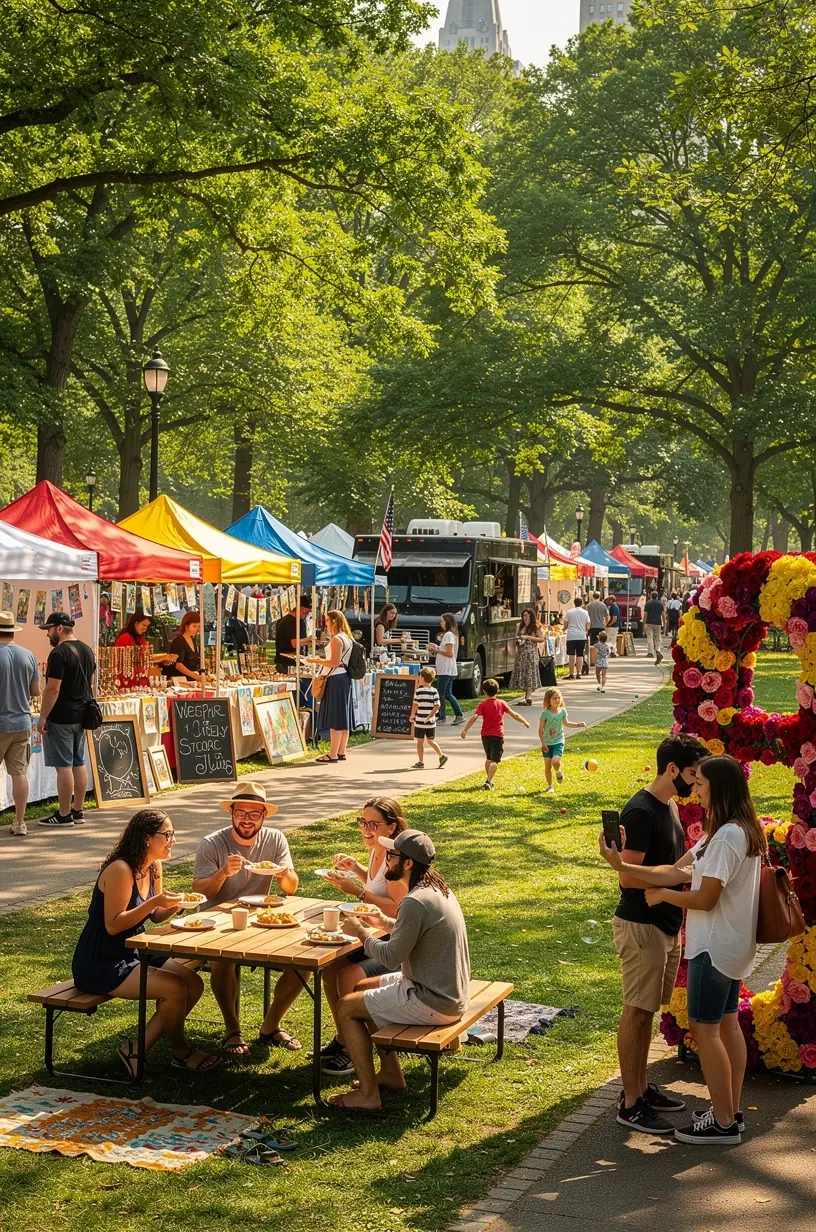
- Festivals and Fairs: These often celebrate local culture, arts, or specific themes, allowing residents to engage in activities, performances, and food tasting. Studies show that festivals can boost local economies by attracting visitors.
- Workshops and Classes: Community-led workshops often focus on skill-building, such as cooking, gardening, or crafting. Experts recommend that hands-on learning can increase participation and retention of skills.
- Meetups and Social Clubs: These informal gatherings allow people with shared interests to connect. Many users report that being part of a social club can enhance personal well-being and reduce feelings of loneliness.
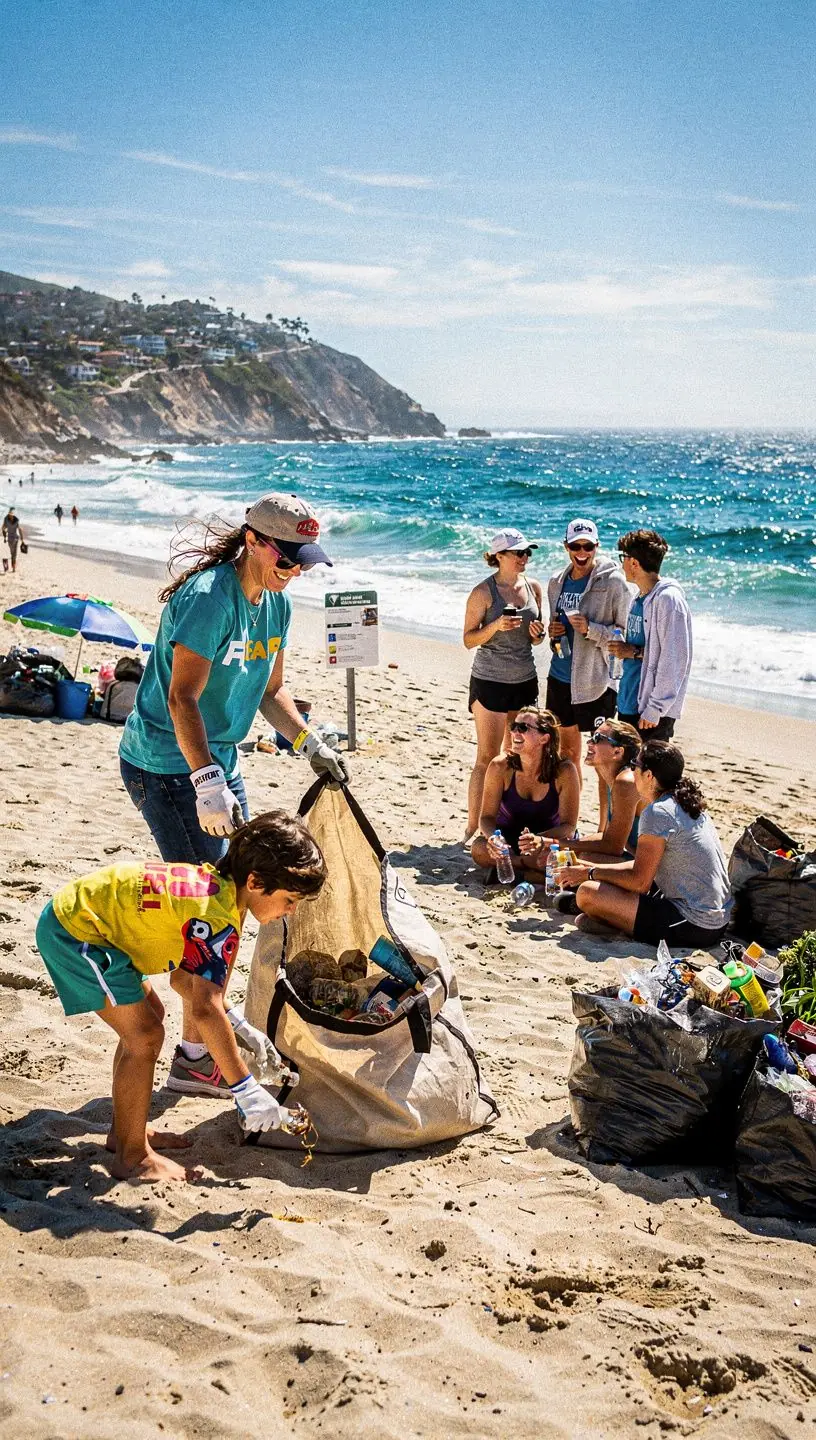
- Charity Events: Fundraisers and volunteer-driven events typically encourage community involvement for a cause. Research indicates that participating in charity events can heighten feelings of community connection and purpose.
Benefits of Community Gatherings
Engaging in community gatherings can yield several benefits, such as:
- Social Connectivity: Such events typically encourage interaction among diverse groups, fostering friendships and collaborations.
- Economic Support: Local gatherings can stimulate economic growth by promoting small businesses and local vendors.
- Cultural Exchange: Community events often serve as platforms for cultural expression and learning, enhancing mutual respect and understanding among different groups.
How to Organize a Community Gathering
Planning a successful community gathering involves several key steps:
- Identify Goals: Understand the purpose of the gathering. Is it to educate, celebrate, or fundraise? Clear goals can guide the planning process.
- Engage the Community: Reach out to potential participants through surveys or social media. This helps ensure that the event meets the needs and interests of the community.
- Plan Logistics: Consider critical aspects such as location, date, and necessary permits. Many successful events typically require at least 2-3 months of planning.
- Promote the Event: Utilize various channels, including local media, community boards, and social platforms, to ensure maximum participation.
Conclusion
Community gatherings are essential for fostering social bonds and promoting local culture. While organizing such events may require time and effort, the potential benefits for individuals and communities can be significant. By understanding the types of gatherings and following effective planning strategies, you can contribute to building a vibrant, engaged community.
Learn More