Analyzing Trends in Local Entertainment Choices
As urban areas in the U.S. continue to evolve, understanding the trends in local entertainment choices becomes crucial for both consumers and providers. This article explores recent patterns in leisure activities, examining how community dynamics influence the entertainment landscape.
Understanding the Basics of Local Entertainment Trends
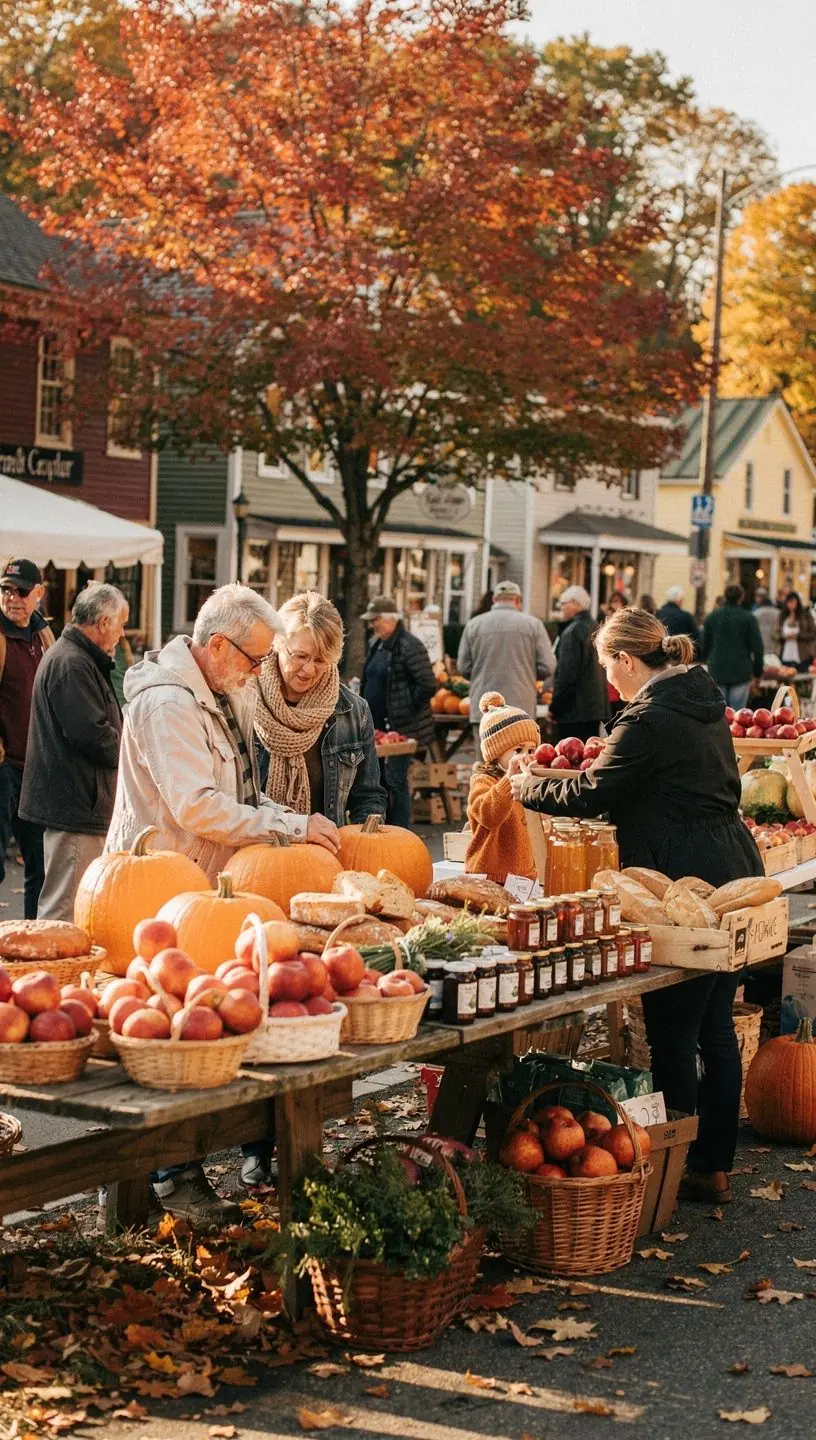
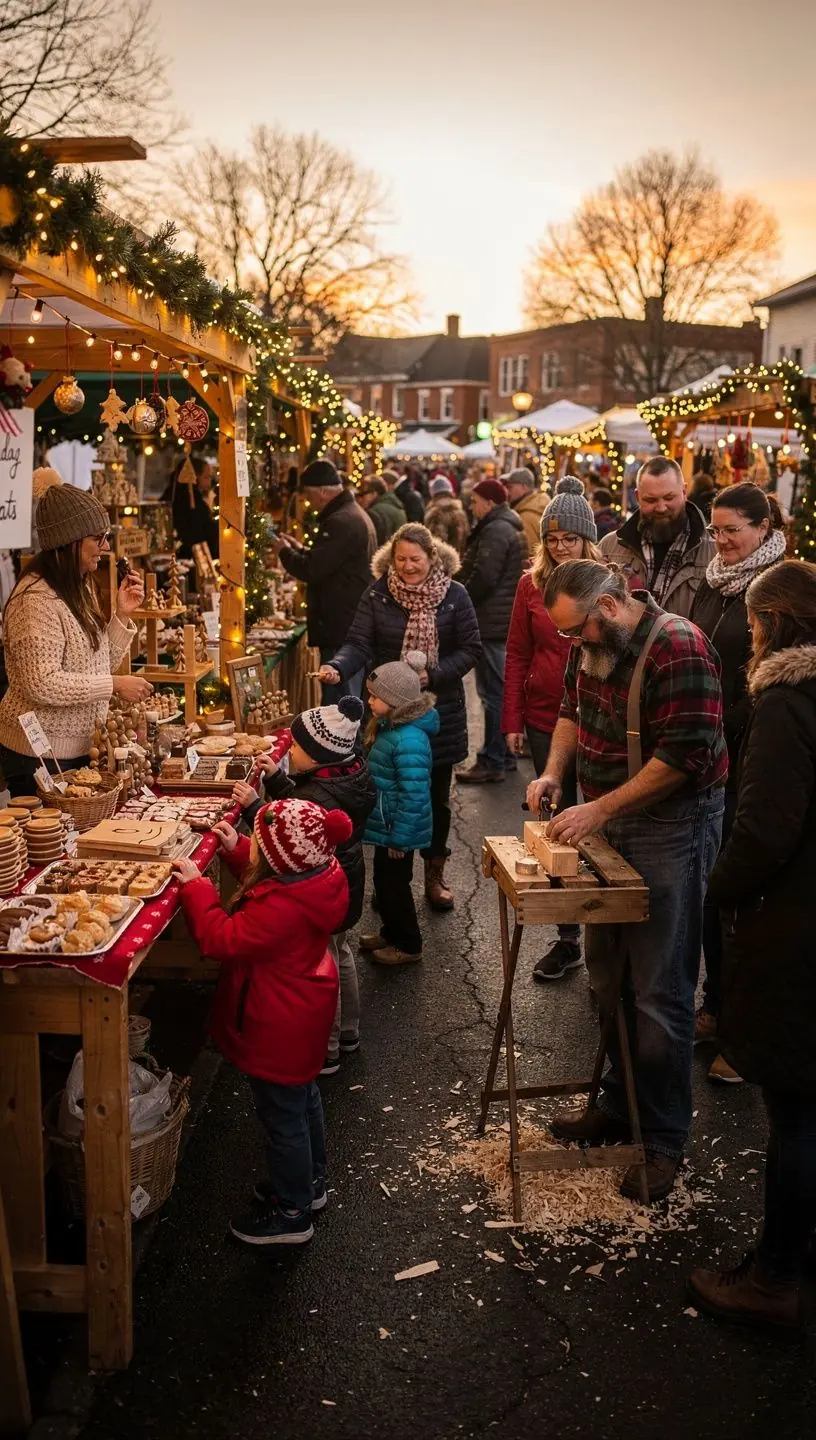
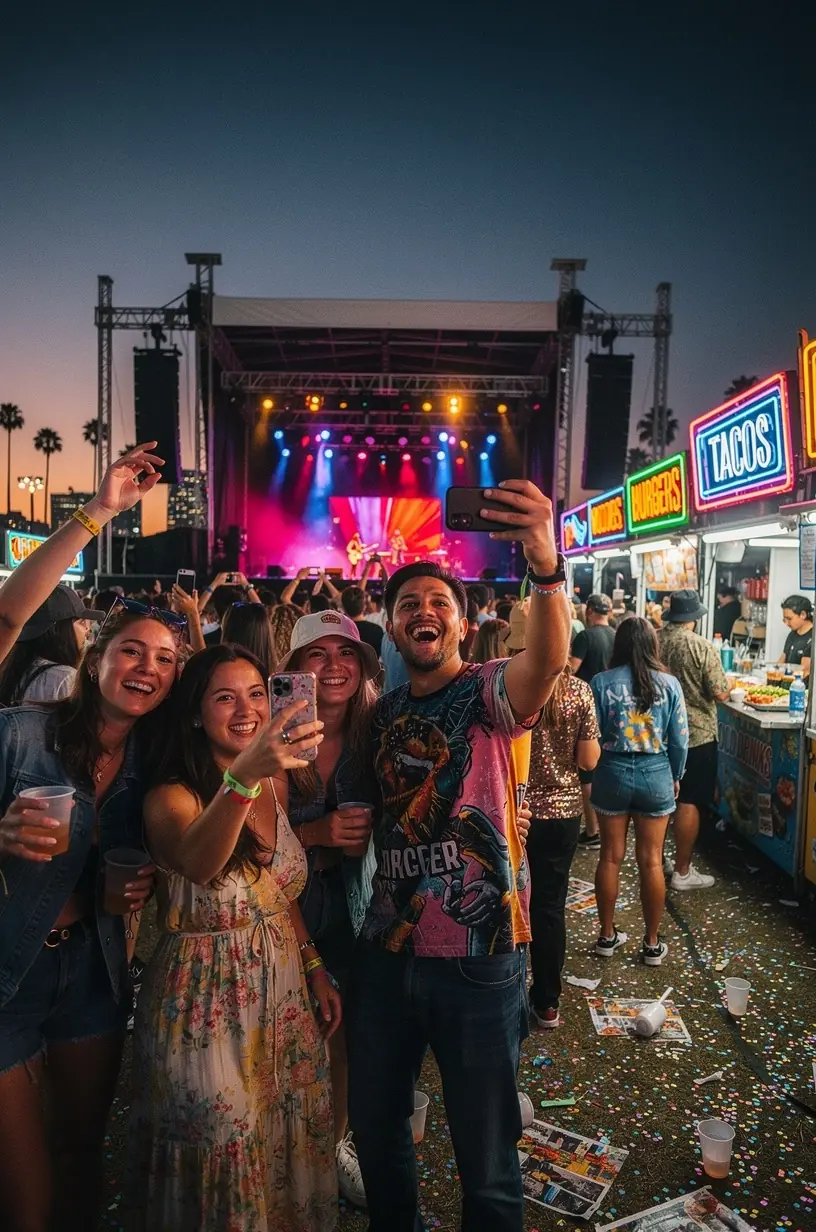
Local entertainment choices are often shaped by a variety of factors, including cultural shifts, economic conditions, and community interests. According to a 2021 report by the National Endowment for the Arts, many communities are witnessing a resurgence in attendance at local events such as music festivals, art shows, and community fairs. This trend reflects a broader desire for community engagement and social interaction that became particularly pronounced during the COVID-19 pandemic.
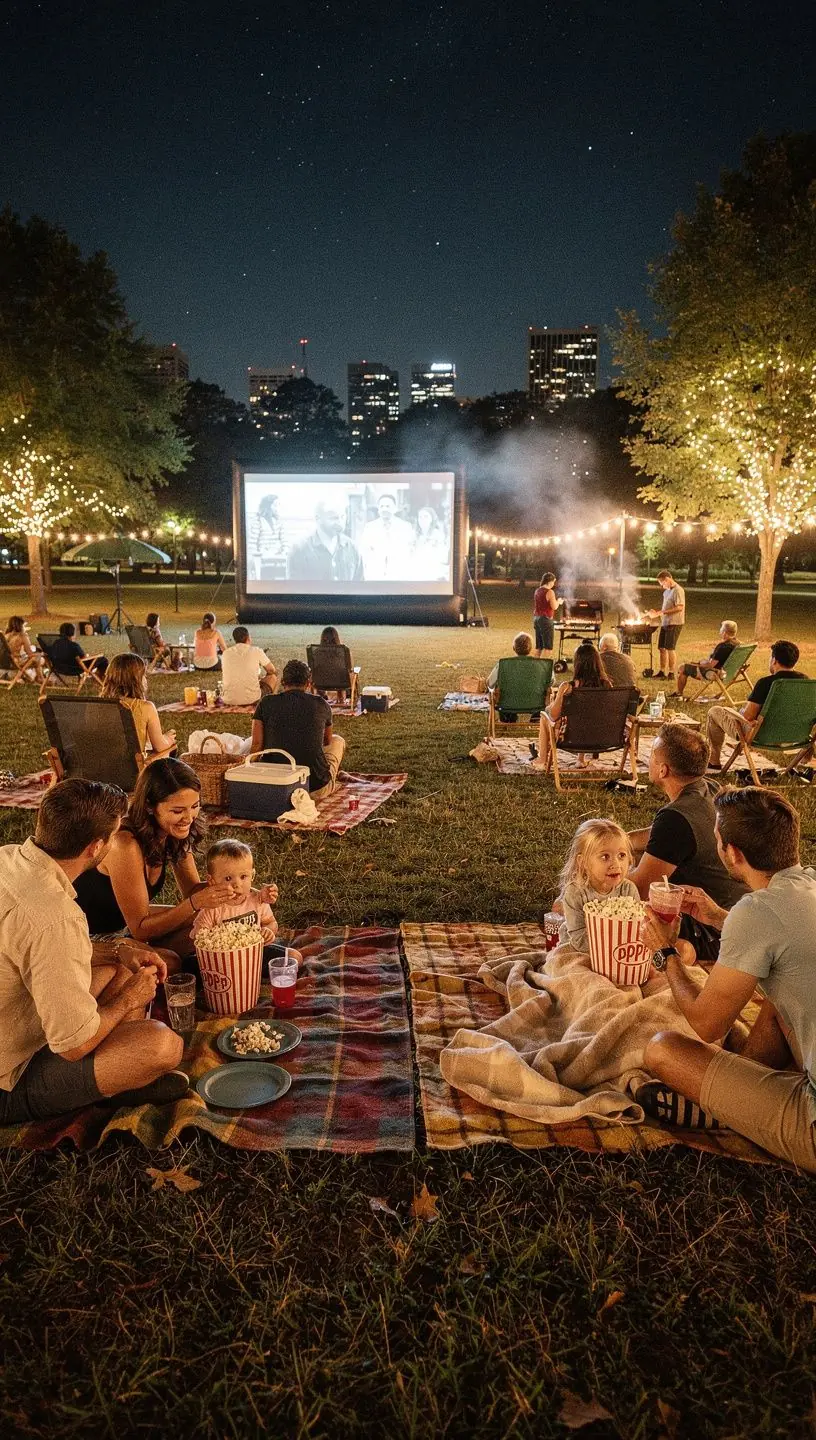
"Studies indicate that local events not only enrich community life but also contribute significantly to local economies."
Identifying Key Factors Influencing Choices
Several factors play a pivotal role in shaping local entertainment preferences:
- Community Involvement: Many users report that events organized by local groups often foster a sense of belonging, making them more appealing.
- Accessibility: Events that are easily accessible, both in terms of location and cost, tend to attract larger crowds. Research suggests that affordability can significantly impact attendance figures.
- Digital Influence: The rise of social media platforms has transformed how events are promoted and discovered. Industry experts recommend utilizing these platforms to enhance visibility and engagement.
Analyzing Popular Entertainment Formats
Research indicates that specific formats are gaining popularity in local entertainment settings:
- Outdoor Festivals: Events held in open spaces, such as parks or community squares, are often favored, providing attendees with a relaxed atmosphere.
- Live Performances: Many communities are returning to live music and theater, as these experiences offer unique, immersive interactions that digital formats cannot replicate.
- Interactive Sessions: Workshops and hands-on activities, which encourage participation, are becoming increasingly popular, as they foster learning and community interaction.
Challenges and Considerations
While the trends are encouraging, there are several challenges that stakeholders must acknowledge:
- Time and Effort: Organizing successful events typically requires significant planning and community collaboration. This process can take weeks or even months, depending on the scale.
- Audience Engagement: Maintaining a consistent audience can be difficult. Many organizers find that engaging the community through surveys and feedback helps tailor future events to their preferences.
- Cultural Sensitivity: It’s essential to consider the diverse backgrounds within communities. Events that resonate with varied demographics tend to foster inclusivity and broader participation.
Conclusion
Analyzing trends in local entertainment choices reveals a landscape that is vibrant and evolving. With a focus on community engagement and accessibility, local events have the potential to enhance social interactions and contribute to economic vitality. Stakeholders should embrace these trends while remaining mindful of the challenges and efforts required to create inclusive and appealing entertainment experiences. By prioritizing education and community involvement, we can continue to develop leisure activities that reflect and serve the interests of our communities.
Learn More